Best Fastpacking Backpacks of 2026 — hiking gear
Fastpacking Pack Buying Guide

Best Fastpacking Backpacks of 2026

Six vest-harness packs from 20 to 40 litres, $119 to $205. On a frameless pack the harness is the whole load system, so that is what I ranked on first.

View Top PicksUpdated 2 August 2026 · Ranked from specs & buyer reviews

If you buy through a link on this page we may earn a commission, at no extra cost to you. It never changes how anything is ranked.

How to Choose

How to Choose a Fastpacking Pack

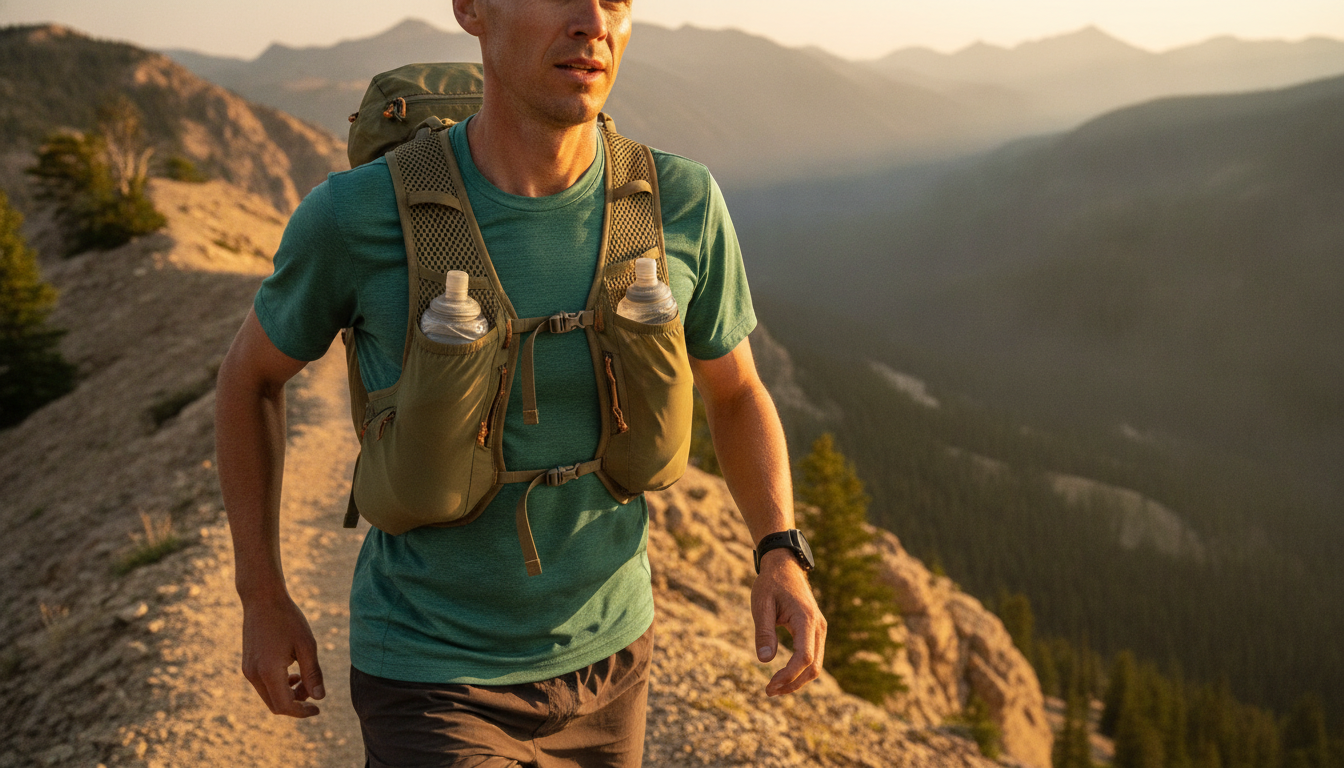
A fastpack is a backpack with a running vest built onto the front of it, and that is not a styling choice — it is the whole design argument. Take the frame out of a pack and nothing holds the load off your spine except the straps, so the straps have to do every job at once: wrap the ribs, spread the weight across the chest instead of hanging it off two points at the shoulders, and stop the load rocking the moment you break into a run. That is why every pack on this page has soft flask pockets sitting on your chest and a harness three or four times wider than a normal shoulder strap. Get the harness right and 18 pounds runs. Get it wrong and 12 pounds beats you up.

Capacity is where people miss in both directions. The specialist reviewers converge on roughly 28 to 30 litres as the sweet spot for a multi-day kit, 20 to 25 for a fast overnight, and anything past 35 getting genuinely awkward to run with no matter how good the harness is. The part that gets left out: on a frameless pack, a smaller pack packed full carries better than a bigger pack half empty, because the contents are the structure. Loose kit in 40 litres shifts every stride and no harness can fix that. Buy for the sleeping bag and shelter you already own, not the lighter ones you might buy next year.

One thing worth saying plainly about this shelf. The packs the specialist reviewers rank highest — Nashville Pack's Cutaway, the Pa'lante V2, the Symbiosis Aspen — are built by small cottage manufacturers, run roughly $240 to $300, and sell direct from their own sites. None of them are on Amazon, and there is no honest way to put them on this page. What Amazon does carry is the mainstream end of the same category: Ultimate Direction, who largely defined it, plus Osprey and Rab. That is what is below. If you already fastpack regularly and want the lightest, most custom-fitted thing made, go direct to a cottage maker and spend the extra hundred. If this is your first one, what that hundred buys is a few ounces and a waiting list.

Every star rating, review count and price here was read off the linked Amazon listing on August 2, 2026, and every listing was buyable that day. Two caveats. Amazon pools reviews across the whole Ultimate Direction Fastpack family, so the 20 and the 30 both report 4.4 stars from the same 89 reviews — read that as one signal, not two. And the Black Diamond Distance 22, which belongs in a list like this, showed "currently unavailable" on every listing I could find, so it got dropped instead of linked. I have not run a thousand miles in all six of these and I am not going to pretend otherwise: this is published specs, design decisions, and what buyers report after living with them. Pack prices move constantly, so check before you buy.

Quick Picks

Top Three at a Glance

Short on time? Start with these top-rated fastpacking packs picks.

Best Overall
Ultimate Direction Fastpack 30
4.4

Ultimate Direction Fastpack 30

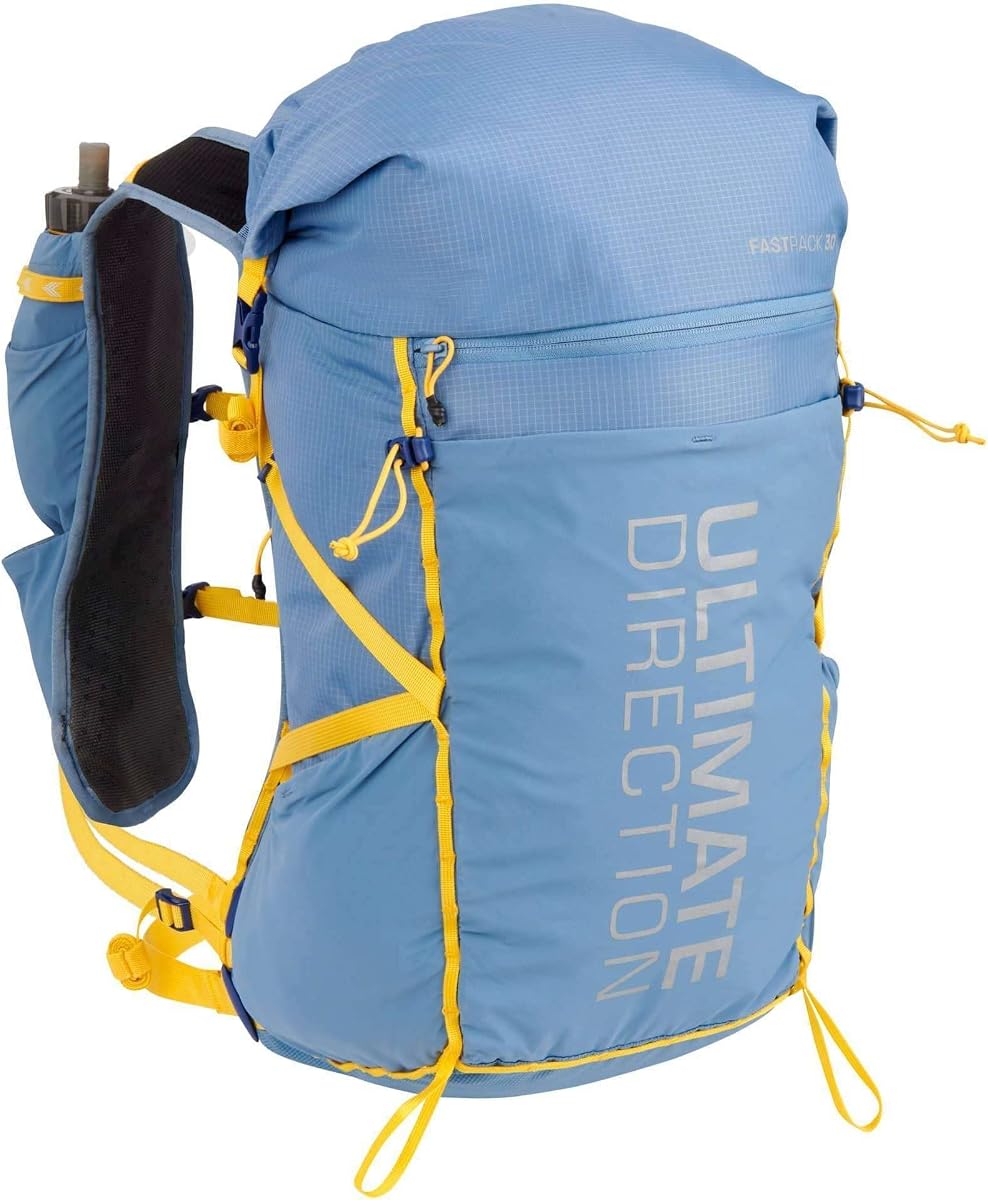
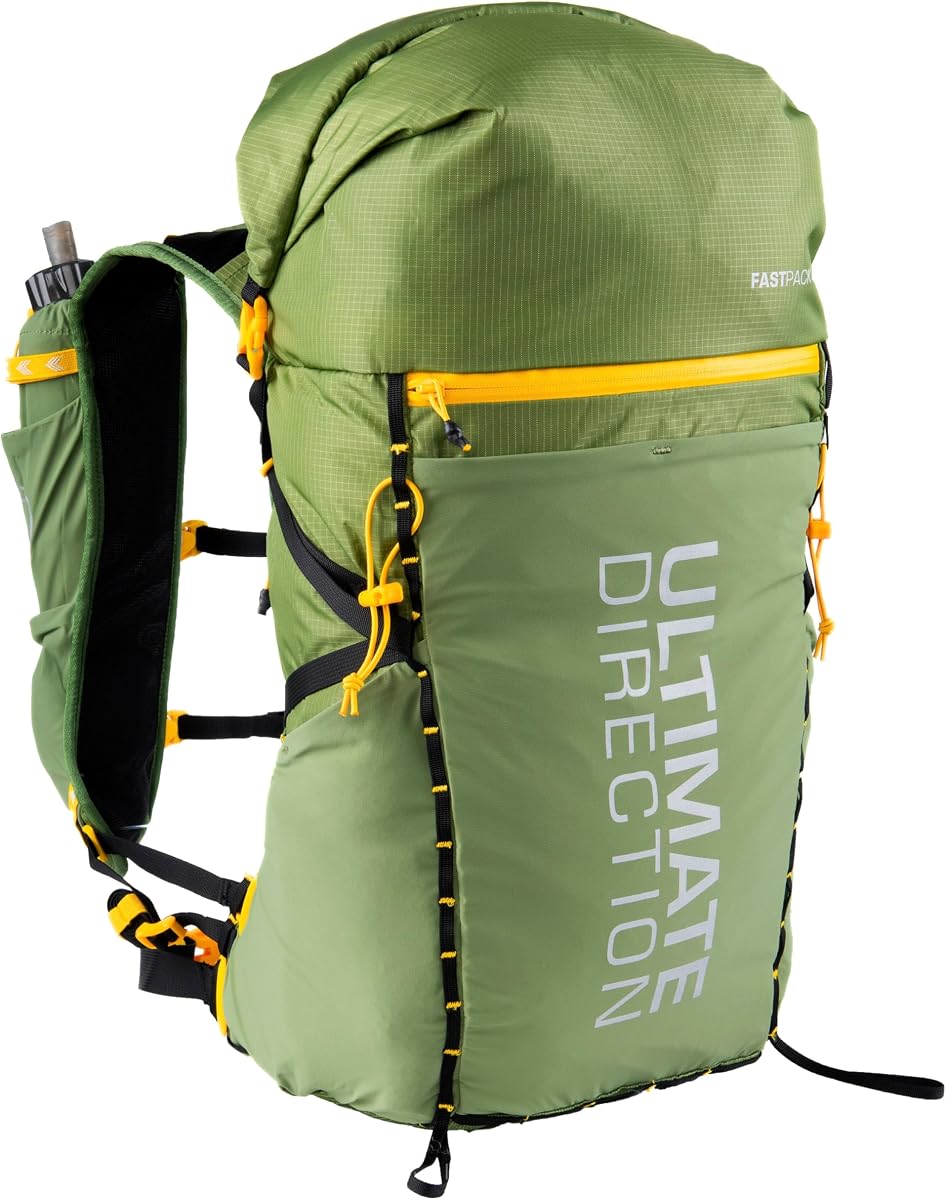
Thirty litres is the volume most fastpackers settle on, and Ultimate Direction has been building this pack longer than anyone else has been building the category. The combination that earns it the top spot is the roll-top plus a full-length side zip: you can get at the bottom of the bag without unpacking the top of it, which is the difference between putting a shell on in thirty seconds and standing in the rain for three minutes. At 1.4 pounds it is also among the lighter 30L packs anywhere.

Check Price
Best Adjustable Fit
Osprey Talon Velocity 30
4.2

Osprey Talon Velocity 30

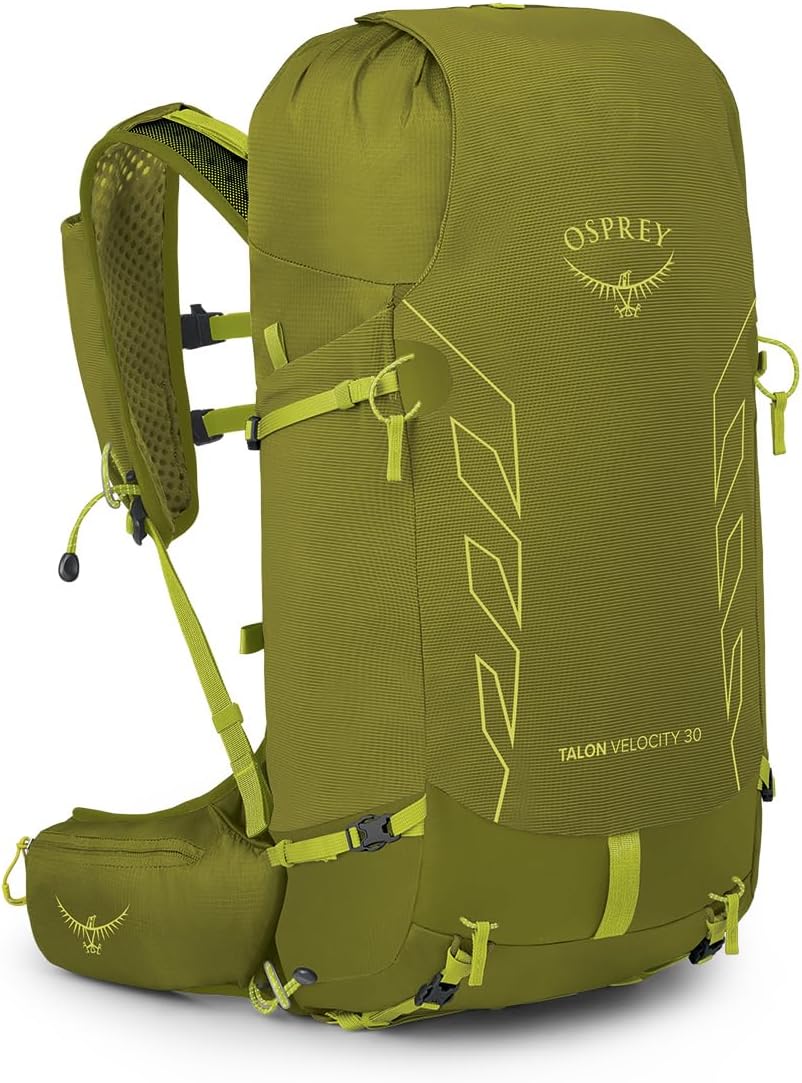
The compromise pick, and a genuinely useful one. Osprey put a vest-style harness on a pack that keeps roughly three and a half inches of torso adjustment and a hipbelt that actually carries — so unlike every frameless pack here, you can tune the fit after you buy it and put real weight on your hips. You pay about half a pound for that. If you are between sizes, or your kit is not quite ultralight yet, this is the one that will not punish you for it.

Check Price
Best for Running
Ultimate Direction Fastpack 20
4.4

Ultimate Direction Fastpack 20

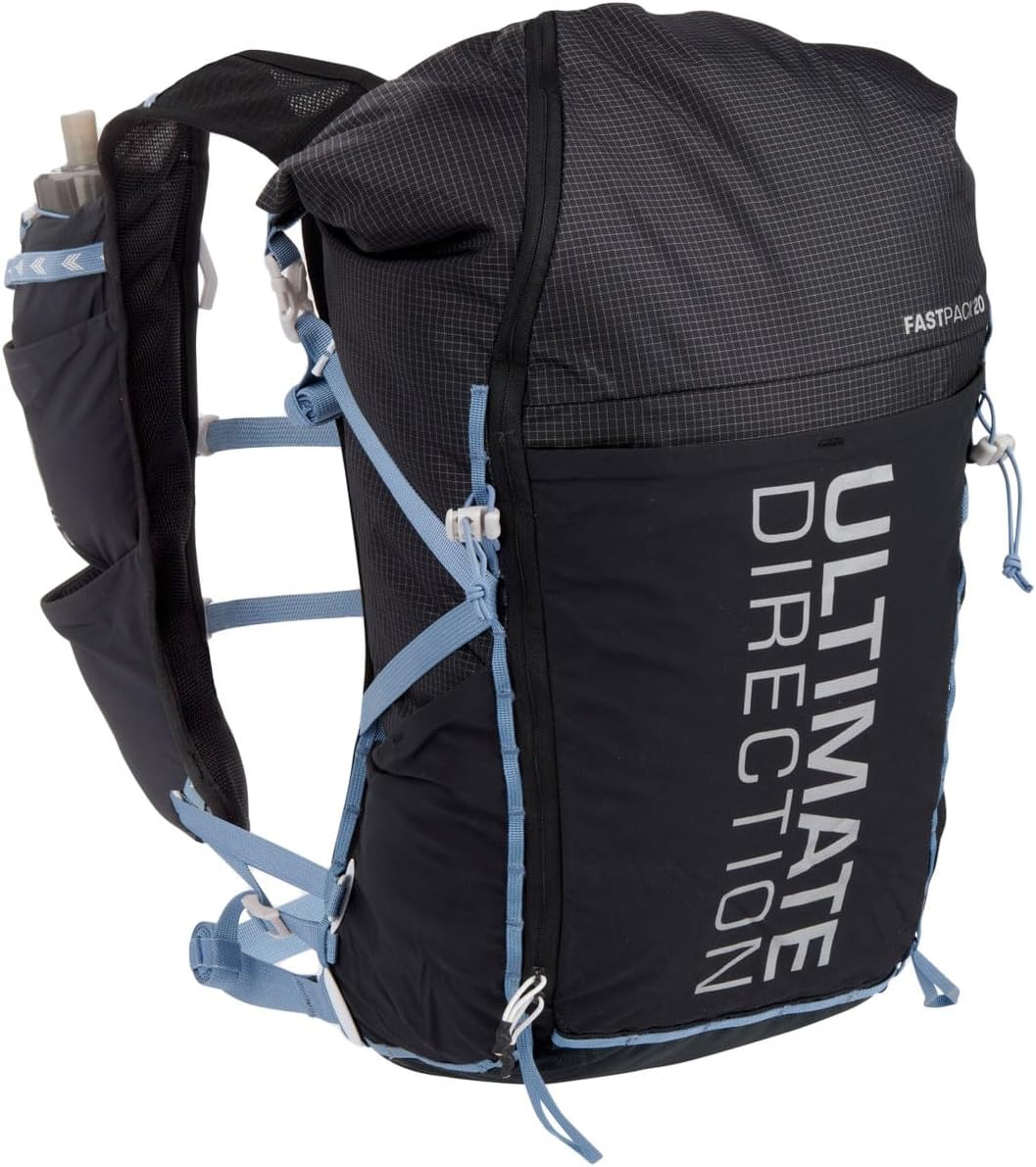
The same pack as the 30 with a third of the volume taken out, and at 23.4 litres and 1.3 pounds it sits right where a summer overnight lands if your sleep system is already light. This is the size you can run in for hours rather than shuffle in. It is also the one that punishes a heavy kit hardest — there is no room to be sloppy, which is either the point or the problem depending on what is in your gear closet.

Check Price
Comparison Table

Every Pick, Side by Side

Best Overall
Best For
Multi-day trips, and the default pick
Difficulty
Intermediate
Price
$$$
Best Adjustable Fit
Best For
Anyone between torso sizes, or carrying more
Difficulty
Beginner
Price
$$$
Best for Running
Best For
Fast overnights you can genuinely run
Difficulty
Intermediate
Price
$$$
Recommended #4
Best For
Persistently wet mountains
Difficulty
Intermediate
Price
$$$
Recommended #5
Best For
Long days that might turn into an overnight
Difficulty
Beginner
Price
$$$
Recommended #6
Best For
Cold trips, bear canisters and long food carries
Difficulty
Advanced
Price
$$$
The Lineup

6 Best Fastpacking Packs, Compared

Detailed picks with verdicts, strengths, tradeoffs, and the situations where each one makes the most sense.

Best Overall
Ultimate Direction Fastpack 30
4.4 (89 Amazon ratings)

Ultimate Direction Fastpack 30

Quick verdict: Thirty litres is the volume most fastpackers settle on, and Ultimate Direction has been building this pack longer than anyone else has been building the category. The combination that earns it the top spot is the roll-top plus a full-length side zip: you can get at the bottom of the bag without unpacking the top of it, which is the difference between putting a shell on in thirty seconds and standing in the rain for three minutes. At 1.4 pounds it is also among the lighter 30L packs anywhere.

Why It Stands Out

  • 30 litres is the size the specialist reviewers converge on for multi-day fastpacking
  • Full-length side zip means the main compartment opens without unrolling the top
  • Vest harness with soft flask pockets on the chest, so you drink without stopping
  • About 1.4 pounds empty, light for the volume

Pros

  • Roll-top compresses right down, so it carries a small load as well as a full one
  • Fifteen exterior pockets, most of them reachable while moving
  • The most established design here — Ultimate Direction has iterated it for years

Cons

  • Frameless, so the comfortable ceiling is somewhere in the low twenties of pounds
  • Fixed harness size: get your chest measurement right at checkout, it does not adjust much
  • Amazon pools its reviews with the Fastpack 20, so the 89-review figure covers both

Best Situations

Multi-day fastpackingHut-to-hutUltralight overnightsShoulder season
Difficulty
Intermediate
Price Range
$$$
Best Adjustable Fit
Osprey Talon Velocity 30
4.2 (45 Amazon ratings)

Osprey Talon Velocity 30

Quick verdict: The compromise pick, and a genuinely useful one. Osprey put a vest-style harness on a pack that keeps roughly three and a half inches of torso adjustment and a hipbelt that actually carries — so unlike every frameless pack here, you can tune the fit after you buy it and put real weight on your hips. You pay about half a pound for that. If you are between sizes, or your kit is not quite ultralight yet, this is the one that will not punish you for it.

Why It Stands Out

  • Around 3.5 inches of torso adjustment, which nothing else on this page offers
  • A hipbelt that transfers load rather than just stopping the pack swinging
  • Vest-inspired harness with pockets you can reach without stopping
  • Currently the biggest discount here, at $168.71 against a $215.00 list price

Pros

  • The most forgiving fit of the six, which matters most if you have not owned a fastpack before
  • Carries a heavier or less-refined kit better than the frameless packs
  • Osprey's All Mighty Guarantee covers it

Cons

  • Around 1.9 pounds, the heaviest here by roughly half a pound
  • The frame and belt cost you some of the close, unnoticed feel of a true frameless pack
  • 45 reviews is a thin base to read much into

Best Situations

First fastpackHeavier loadsBetween torso sizesMulti-sport use
Difficulty
Beginner
Price Range
$$$
Best for Running
Ultimate Direction Fastpack 20
4.4 (89 Amazon ratings)

Ultimate Direction Fastpack 20

Quick verdict: The same pack as the 30 with a third of the volume taken out, and at 23.4 litres and 1.3 pounds it sits right where a summer overnight lands if your sleep system is already light. This is the size you can run in for hours rather than shuffle in. It is also the one that punishes a heavy kit hardest — there is no room to be sloppy, which is either the point or the problem depending on what is in your gear closet.

Why It Stands Out

  • 23.4 litres: a quilt, a tarp and one dinner, and not much more
  • 1.3 pounds empty, the lightest pack on this page
  • Same roll-top and side-zip access as the 30
  • Front flask pockets and a wrap-around vest harness

Pros

  • Small enough that it disappears when you open up on the descents
  • Compresses down well for a day out, so it doubles as a big running vest
  • The cheapest way into a true Ultimate Direction fastpack

Cons

  • Too small for a real sleeping bag or a bear canister — this only works with an ultralight kit
  • Frameless with a minimal belt, so weight sits on your shoulders
  • Shares its 4.4-star, 89-review figure with the Fastpack 30

Best Situations

Summer overnightsFast link-upsUltralight kitsLong training days
Difficulty
Intermediate
Price Range
$$$
Recommended #4
Rab Veil XP 20L
3.8 (11 Amazon ratings)

Rab Veil XP 20L

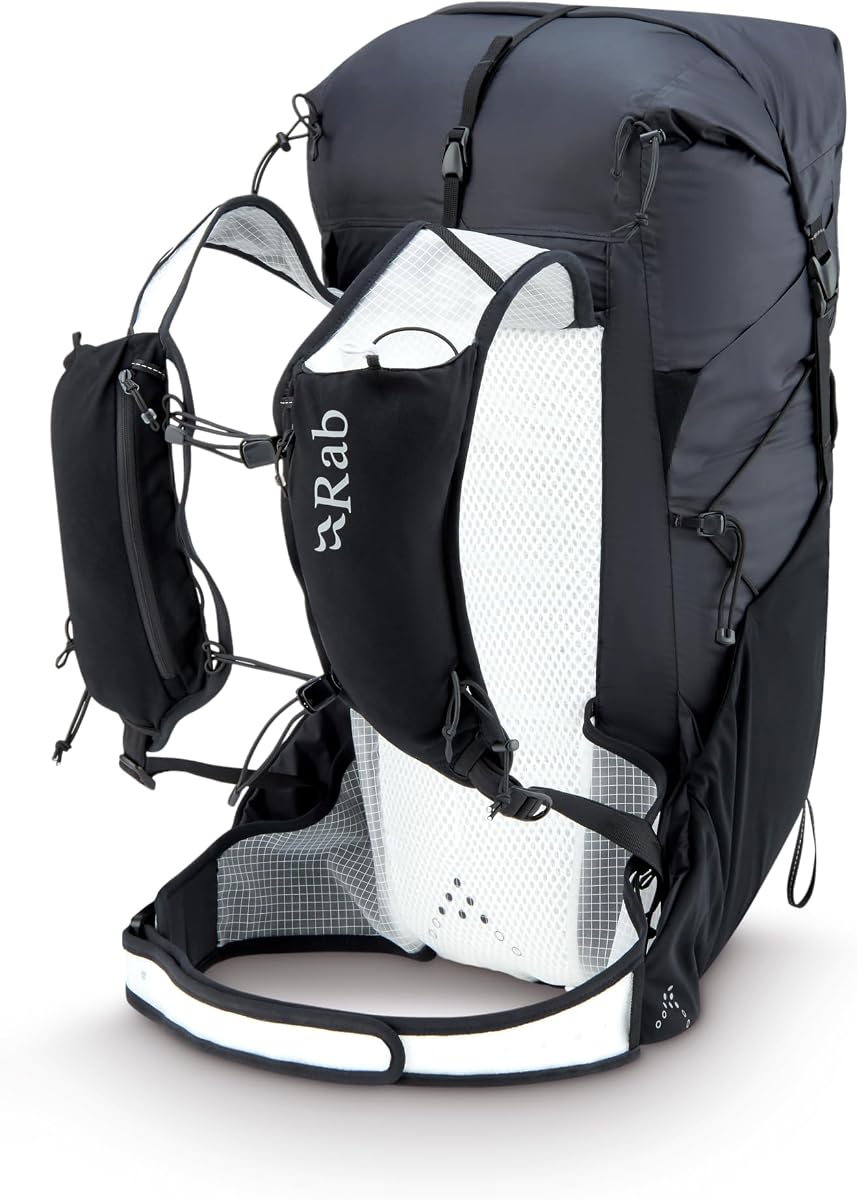
Quick verdict: The waterproof one, and the only pack here where that is a design decision rather than a coating. Siliconised ripstop, taped seams and a roll-top closure mean the pack itself keeps water out instead of relying on a liner, which earns its keep somewhere like the Cascades or the Highlands where rain is measured in days. The harness is properly running-focused too, with a double sternum strap and a mostly-mesh back panel. The catch is the review base: eleven ratings averaging 3.8 stars is not enough to tell you much yet.

Why It Stands Out

  • Fully taped seams and siliconised fabric, not a DWR finish that wears off
  • Roll-top closure adds to the weather protection rather than just compressing
  • Double sternum strap and a wide vest harness with flask and zip pockets
  • Mesh back panel, which matters when you are running in a waterproof pack

Pros

  • The cheapest pack here at $119, currently 30% off its $170 list price
  • Takes a 3-litre bladder as well as front flasks
  • Rab builds serious mountain kit, and this reads like it

Cons

  • Eleven reviews at 3.8 stars — genuinely too few to draw conclusions from
  • 20 litres, so it needs an ultralight kit like the Fastpack 20 does
  • Rab sells the larger 30L version elsewhere but not on Amazon in the US

Best Situations

Wet rangesPacific NorthwestScottish hillsShoulder-season storms
Difficulty
Intermediate
Price Range
$$$
Recommended #5
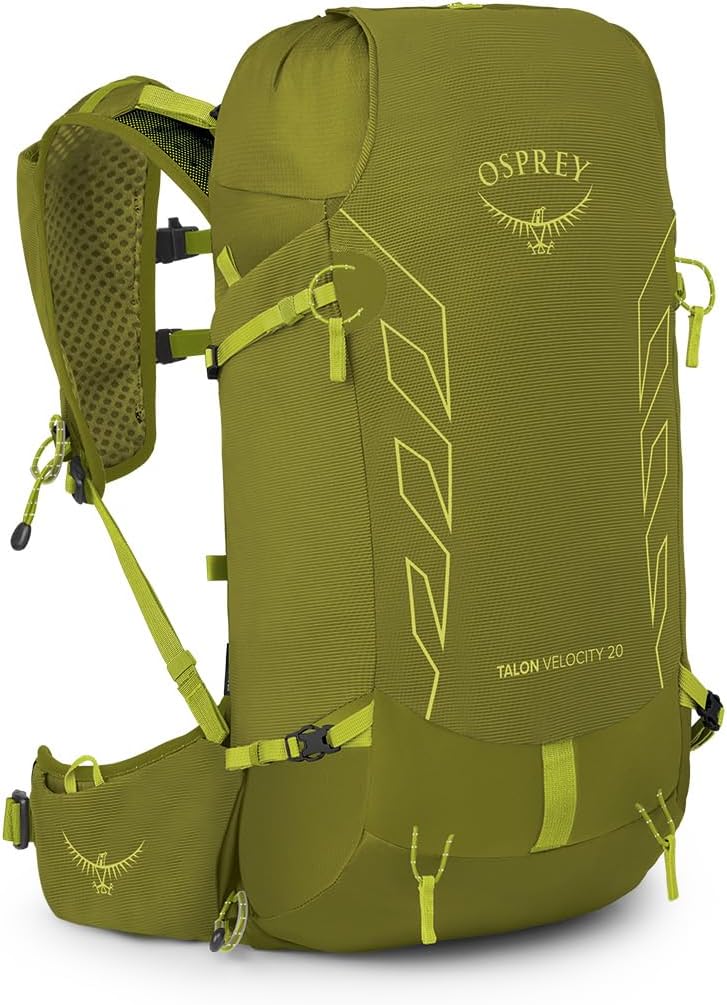
Osprey Talon Velocity 20
4.5 (73 Amazon ratings)

Osprey Talon Velocity 20

Quick verdict: The Talon Velocity 30's smaller sibling, and the most day-hike-shaped pack here. Twenty litres with an adjustable torso and a carrying hipbelt makes it a very good big day pack that can take an emergency bivy kit, rather than a fastpack you would plan a three-day trip around. Rated highest of the six by buyers, at 4.5 stars from 73 reviews, though it is also the one whose job overlaps most with a normal day pack.

Why It Stands Out

  • Adjustable torso and a load-carrying hipbelt in a 20-litre frame
  • Vest-inspired harness with hip-belt and shoulder pockets you can open one-handed
  • The highest buyer rating on this page at 4.5 stars
  • Genuinely multi-sport: it works on a bike or on skis, not just on foot

Pros

  • The most versatile pack here if you want one bag for long days and the odd overnight
  • Fit adjusts, so it suits people the fixed-harness packs do not
  • Osprey's All Mighty Guarantee

Cons

  • At $194.98 it is currently the second most expensive pack here and the second smallest
  • 20 litres plus a frame and belt leaves less usable room than the frameless 20s
  • More day pack than fastpack — it overlaps heavily with a good 20L hiking pack

Best Situations

Big day hikesEmergency bivy kitMulti-sportPeak bagging
Difficulty
Beginner
Price Range
$$$
Recommended #6
Ultimate Direction Fastpack 40
4.2 (23 Amazon ratings)

Ultimate Direction Fastpack 40

Quick verdict: Forty litres is past the point where most people can genuinely run, and Ultimate Direction is not pretending otherwise — this is the pack for the trip where the food carry is five days, the nights are cold enough to need a real bag, or a bear canister is legally required. It keeps the vest harness and the roll-top, and at about 1.6 pounds it is remarkably light for the volume. Buy it because your kit demands it, not for headroom.

Why It Stands Out

  • 40 litres swallows a bear canister, which most fastpacks simply cannot
  • About 1.6 pounds empty, very light for a pack this size
  • Same vest harness, roll-top and 15-pocket layout as the smaller Fastpacks
  • Roll-top compresses a long way down when the food bag empties out

Pros

  • The only pack here that handles a genuinely long or cold trip
  • Still frameless and still light, so it does not feel like a backpacking pack
  • Compresses well, so it is not a lump when it is half empty

Cons

  • Frameless at 40 litres means the load ceiling is what your shoulders will take, not what fits
  • The most expensive pack here at $204.95
  • 23 reviews, the second thinnest base on the page

Best Situations

Bear canister tripsWinter and shoulder season5-day food carriesExpedition approaches
Difficulty
Advanced
Price Range
$$$
Buying Guide

What to Check Before You Buy

The harness is the load system, not an accessory

On a framed backpack, the frame transfers weight to your hips and the straps mostly stop it falling off. Take the frame away and that job moves entirely to the harness, which is why fastpack straps look nothing like backpack straps. A vest harness is wide, soft, and wraps around the front of your ribs, with two or four points of adjustment down the sternum instead of one buckle. That spread is what keeps a load from swinging when your torso rotates at running cadence. It is also why fastpacks are sized by chest circumference as much as torso length, and why the wrong size cannot be fixed by tightening things — a harness too big leaves a gap that fills with movement, and one too small squeezes your breathing on the climbs.

Capacity: buy for the kit you own

Twenty to twenty-five litres covers a fast overnight in summer with an ultralight quilt, a tarp or trekking-pole shelter, and one dinner. Thirty is the number most multi-day fastpackers land on, because it swallows a real sleeping bag, a few days of food, and the extra layer that shoulder season demands. Forty exists for cold trips, bear canisters and longer food carries, and it is honestly more pack than most people should try to run with. The failure mode nobody warns you about is buying big for headroom: a frameless pack gets its shape from its contents, so the half-empty forty carries worse than the stuffed twenty-five, every time.

Weight matters, but bounce matters more

The packs here run roughly 1.3 to 1.9 pounds empty, so the spread between the lightest and heaviest is about ten ounces — less than a full soft flask. That is worth having and it is not what decides whether a pack is pleasant to run in. Bounce is. A load that lifts and drops half an inch every stride is doing work against you thousands of times an hour, and you feel it in your traps long before you feel ten ounces. Bounce comes from three things: a harness that does not wrap, compression that cannot pull the load tight to your back, and a pack packed loose. The first two you buy; the third you fix by packing dense and cinching before you start, not two miles in.

What you can reach without stopping

The real test of a fastpack is how much of your day happens without taking it off. Front flask pockets mean you drink without stopping, which is the single biggest one — a bladder you have to unclip to refill costs you a stop every few hours. Beyond that: zipped harness pockets for a phone and gels, hip-belt pockets you can open one-handed, side pockets angled so you can actually reach them behind you, and a way into the main bag that is not the roll-top. Ultimate Direction's full-length side zip is the standout there, because it means a rain shell is thirty seconds away rather than a full unpack. Count the pockets you would use on a real day, not the number in the listing.

Fast Summer Overnight
$119-$165

Twenty to twenty-five litres, frameless, vest harness. Enough for a quilt, a tarp and one dinner if your kit is already light. This is the size you can genuinely run in for hours rather than shuffle in, and the cheapest way into the sport.

Multi-Day & Shoulder Season
$169-$190

Thirty litres. The size most people settle on once they have done a few trips: a real sleeping bag, three days of food, and the insulated layer that autumn nights need, without crossing into territory where running stops being fun.

Between Sizes or Carrying More
$169-$195

An adjustable-torso pack with a load-bearing hipbelt. You give up a few ounces and some of the pure-running feel; you get a fit you can tune, and a belt that takes real weight off your shoulders when the food carry is heavy or the trip is long.

Full Catalog

Compare All 6 Fastpacking Packs

Want to browse beyond the ranked picks? Filter and sort the full fastpacking packs listing below.

Best Fastpacking Backpacks of 2026 — All Products

6 Products
FAQ

Frequently Asked Questions

Pack your existing kit into a stuff sack and measure it before you shop, because the honest answer depends entirely on how light your sleep system already is. As a rough guide: 20 to 25 litres works for a summer overnight with a quilt and a tarp, 28 to 30 covers most multi-day trips and is where the majority of fastpackers end up, and 35 to 40 is for cold weather, bear canisters or long food carries. If you are between two sizes, take the smaller one. A frameless pack gets its structure from what is inside it, so a full smaller pack carries better than a loose larger one.

How We Choose Products

How These Picks Are Chosen

Reader-supported and free of paid placements. Every pick is ranked on published specs and Amazon buyer ratings, not on who pays us.

Spec Research

Each pick is compared on published specs, materials, design, and category fit across the major brands.

Practical Fit

Rankings factor in how well each product matches common hiking, backpacking, and trail running needs, not just popularity.

Amazon Buyer Ratings

Star ratings and review volume from verified Amazon buyers are factored in to reflect real-world satisfaction.

Value

A pick earns its spot by delivering useful performance for the money, whether budget or premium.

PACK SORTED.
NEW TO THIS?

If you're still working out what fastpacking actually is, how far a day runs, and whether it suits you at all, that's a separate read over in Basecamp. No gear pitch in it.

What is Fastpacking?
See Top Picks